Start your journey
Become a school psychologist, and help create learning environments where students, families, and school staff feel safe, welcome, and supported
One of the strongest, most established programs in the nation, our training preparation focuses on student mental health and educational equity. Our innovative faculty are state and national leaders, and you'll start your first semester as part of a robust peer team.
With your PhD, you'll be eligible to receive your state and national school psychologist credential, and the license to practice psychology. You can become a university faculty member, conduct research, work with students in schools, or work with children and youth in other settings as a licensed psychologist.
Careers
Doctoral-level school psychologists work in schools, universities, mental health agencies, research centers and think tanks, clinical settings, state departments of education, and independent practices as faculty, researchers, clinicians, and more. The program emphasizes preparation of future faculty, so all students are trained not only in research, but in higher education teaching, supervision, and mentoring as well.
How to apply
Admissions deadline
All application materials must be received December 1 for admission in September of the following year.
Tuition and funding
Tuition
Visit the College of Education and Human Development's finance and funding page for information on tuition.
CEHD Fellowships, scholarships, assistantships, and grants for graduate students
As a graduate student in CEHD, you may be eligible for fellowships, grants, and scholarships from the University of Minnesota, from our college, and from your academic department. Check this link out to get more information on funding opportunities!
Visit the College of Education and Human Development's finance and funding page for more information on funding.
Project SPARK
Through Project SPARK (School Psychologists PrepAred to Reach Kids), our department has funding for 10-12 graduate assistantships. As a project scholar, you’ll receive a graduate assistantship to provide mental health services and support in Minneapolis Public Schools in collaboration with site personnel under the supervision of both Minneapolis Public School school psychologist supervisors and embedded University of Minnesota–Twin Cities faculty.
Financial aid
Financial aid for your graduate program works differently than financial aid at the undergraduate level. It’s important to know the differences and explore your options. Visit this One Stop link for more information on available financial aid.
Request information
Coursework
School psychology PhD students generally complete four years of coursework and dissertation, followed by a year-long internship. All students prepare to become scientist-practitioners through coursework in research methods and statistics, and the completion of a supervised research project.
See the program handbook for a full description of research expectations and requirements, or see more information on program goals and competencies.
Faculty
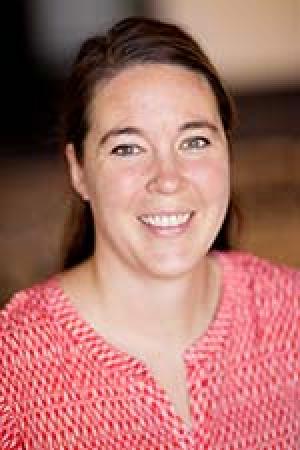
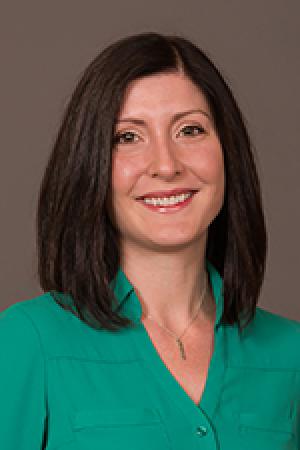
Get to know our award-winning faculty with practical and research experience in this area.






Program affiliates
Alisha Wackerle-Hollman
Associate research professor
Contact us
We’re here to help. Contact us, and a member of our department will be in touch.